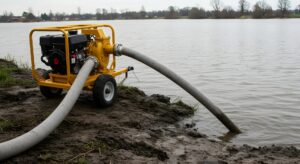

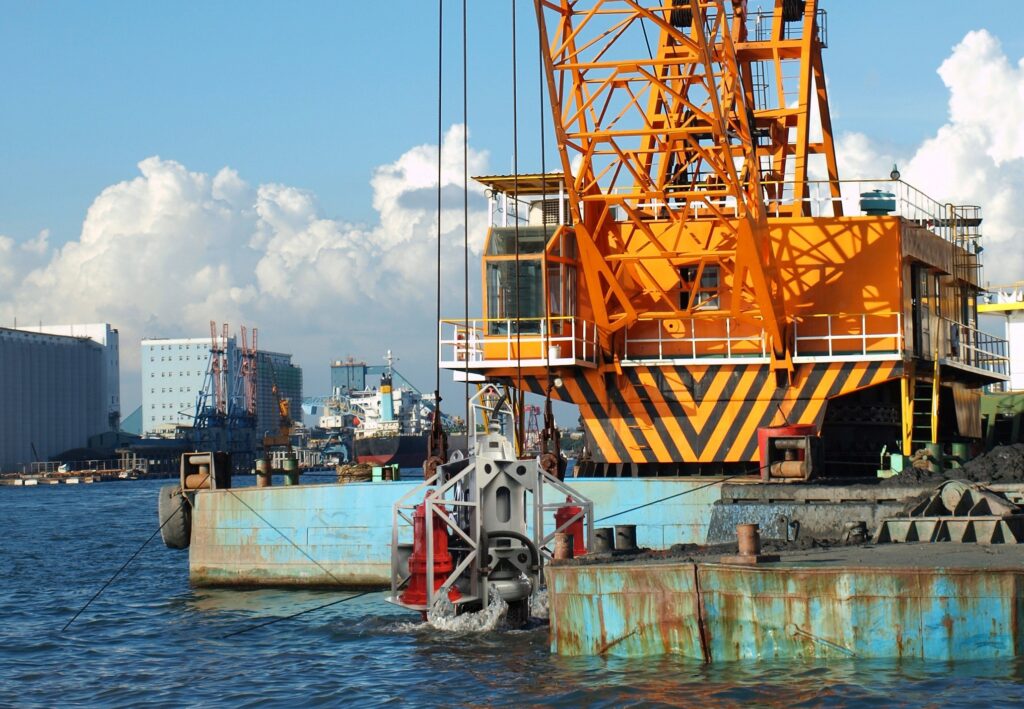

A hydraulic slurry pump is the backbone of countless heavy-industry processes, responsible for transferring abrasive mixtures of water, sand, gravel, and solids with precision and reliability. From dredging channels to managing mine tailings and municipal sludge, these pumps play a pivotal role in keeping large-scale projects efficient and productive. Whether deployed on a barge, an excavator, or a submersible platform, the hydraulic drive system delivers unmatched versatility and performance under demanding conditions.

Optimizing the performance of a hydraulic slurry pump goes far beyond maintaining basic functionality; it’s about improving energy efficiency, extending equipment lifespan, and ensuring a predictable return on investment (ROI). In modern operations, even minor gains in flow efficiency or power control can translate into substantial cost savings over time. Proper optimization reduces downtime, mitigates wear, and enhances the overall productivity of pumping systems used across industries where time and precision directly affect profitability.
Key sectors rely heavily on hydraulic submersible slurry pump systems to maintain operational stability and achieve high output performance. In the mining sector, they move tailings and mineral slurries through high-density pipelines. In oil and gas operations, they handle drilling muds and sediment control in offshore platforms. Municipal projects depend on them for wastewater management, while defense and naval sectors use these systems for dredging harbors, cleaning ship channels, and maintaining coastal readiness. The consistent dependability of these systems makes them indispensable in both permanent installations and portable configurations.
This article outlines proven strategies to optimize hydraulic slurry pump operations, covering performance fundamentals, efficiency improvement techniques, flow and pressure management, and modern maintenance practices. Readers will gain actionable insights into how to enhance pump reliability, lower operational costs, and extend service life in even the most challenging industrial and dredging environments.
Understanding Hydraulic Slurry Pump Performance Fundamentals
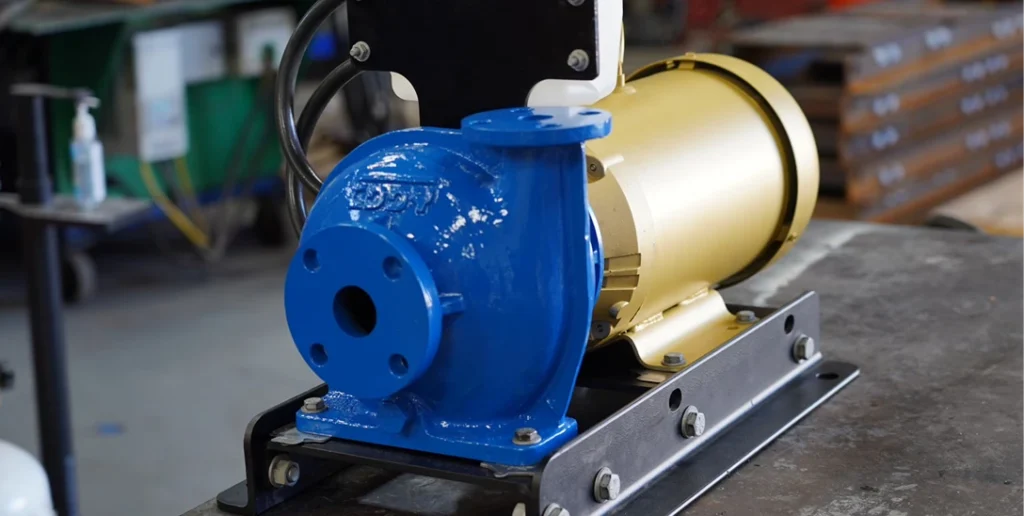
The performance of a hydraulic slurry pump depends on how effectively it converts hydraulic energy into mechanical flow while resisting wear caused by abrasive slurries. These pumps use hydraulic power from excavators, barges, or power packs to drive the impeller, allowing for remote or underwater operation. The flow rate, discharge head, and energy consumption are all closely tied to how the system is designed, maintained, and tuned to handle the specific slurry type.
The hydraulic slurry pump efficiency is highly dependent on system design. The pipeline architecture, hose diameter, and discharge length directly affect friction losses and flow stability. Slurry parameters such as particle size, density, and viscosity influence the pump’s hydraulic load. To avoid early wear, high-solids or coarse mixes require sturdy components and particular impeller shapes. By matching hydraulic drive capacity to slurry characteristics, operators may maintain constant production without overloading the system.
A basic part of the hydraulic slurry pump’s function is the similarity, or affinity, of the rules that govern pump performance. Flow (Q) is directly proportional to speed (n), head (H) changes with speed squared, and power (N) grows with speed cubed. This means that even a slight increase in speed causes a substantial increase in head and power consumption. Understanding these linkages enables operators to fine-tune performance while minimizing inefficiencies and mechanical stress, thereby reducing maintenance costs.
When comparing systems, it’s important to distinguish between a hydraulic submersible slurry pump and a dredge slurry pump hydraulic configuration. The hydraulic submersible slurry pump is typically lowered directly into the material, making it ideal for submerged or confined spaces such as lagoons, pits, and tailing ponds. It eliminates suction lift limitations and improves priming efficiency. On the other hand, a dredge slurry pump hydraulic setup is often mounted externally on barges or excavators, designed for higher-volume sediment transport in open-water dredging. These pumps handle long discharge distances and variable depths with superior adaptability.
In both systems, performance optimization depends on understanding how hydraulic power, impeller dynamics, and slurry conditions interact. With the appropriate combination of speed control, design precision, and monitoring, operators can significantly enhance the dependability and throughput of hydraulic slurry pump systems in almost any industrial or dredging application.
Speed Optimization: Using Hydraulic Control to Maximize Output
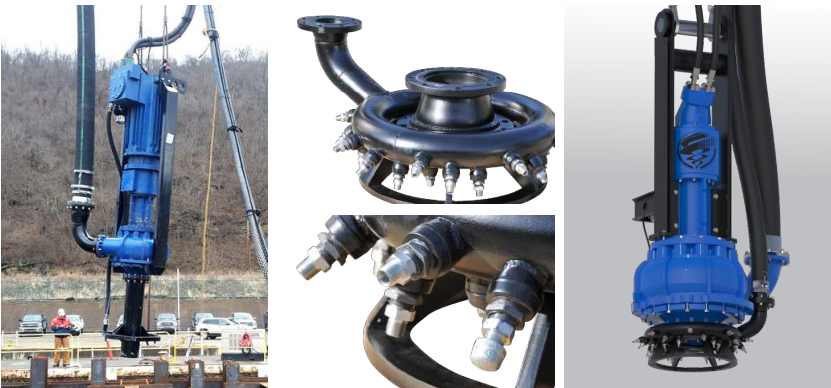
Among all operational parameters, pump speed is the single most influential factor in determining hydraulic efficiency. Speed directly affects flow rate, head pressure, and power consumption, three factors that determine both short-term output and long-term reliability. When speed is properly controlled, operators can maximize performance without introducing excessive wear, energy waste, or mechanical stress on components.
The relationship between speed and performance is best understood through the affinity laws, which underpin slurry pump operation. These principles state that:
- Flow (Q) ∝ speed (n)
- Head (H) ∝ n²
- Power (N) ∝ n³
In practical terms, increasing the speed of a hydraulic slurry pump roughly doubles the flow rate while increasing power usage eightfold. This exponential effect explains why uncontrolled speed changes often lead to inefficiency and overheating. Instead, performance should be fine-tuned within safe operating limits, balancing required throughput with energy costs and equipment lifetime.
The introduction of Variable Frequency Drives (VFDs) has transformed how operators regulate hydraulic submersible slurry pump systems. VFDs enable precise control of pump speed by adjusting hydraulic flow in response to demand, preventing overload and maintaining optimal performance even under variable slurry conditions. In dredging and mining applications, for instance, a VFD-equipped hydraulic system for a dredge slurry pump can automatically respond to material density changes, maintaining consistent discharge without manual intervention.
Precision speed control helps to reduce wear and cavitation. When impellers spin too quickly, slurry turbulence occurs, hastening erosion and seal failure. Controlled speed management maintains a laminar flow, preserving internal components and increasing service intervals. For high-density or abrasive mixes, this method reduces downtime and the frequency of impeller repairs, a key cost element in large-scale operations.
Mistakes in speed adjustment are often caused by a misunderstanding of load dynamics or overcompensating for reduced flow. Operators may seek to enhance pump production by rapidly increasing speed, which frequently results in high pressure, vibration, and premature bearing failure. To avoid these problems, speed calibration should be based on manufacturer specifications, slurry rheology, and system head curves. Using digital monitoring tools to measure discharge pressure, motor current, and temperature can help determine the optimal speed range for the hydraulic slurry pump to operate most efficiently.
When properly optimized, both hydraulic submersible slurry pump and dredge slurry pump hydraulic systems deliver greater reliability, reduced wear, and lower energy use, ensuring steady productivity across challenging dredging and industrial environments.
Efficiency Enhancement: Reducing Energy Loss and Wear
Efficiency in a hydraulic slurry pump system is achieved by harmonizing power input, flow dynamics, and mechanical design to deliver maximum output with minimal energy loss. One of the most common inefficiencies in heavy-duty pumping arises from improper sizing. Oversized pumps tend to operate far below their best efficiency point (BEP), leading to turbulence, cavitation, and wasted power. Conversely, undersized pumps struggle to meet demand, leading to overheating and premature component wear. Right-sizing the pump to match the required duty point ensures smoother operation and lower lifecycle costs.
Impeller tuning is another important tool for increasing efficiency. Trimming or upgrading to a high-efficiency impeller design enables operators to customize performance without completely redesigning the system. The impeller diameter, vane shape, and material composition all affect the hydraulic submersible slurry pump’s ability to convert hydraulic power into fluid movement. Wear-resistant impellers built of high-chrome metals or composites keep abrasive slurries running smoothly by preventing erosion under high loads.
Integrating IE3 or IE4-rated motors with optimized hydraulic circuits also provides measurable energy savings. These high-efficiency motor systems reduce energy losses from fluid friction and torque imbalance, resulting in smoother, more consistent operation. In dredge slurry pump hydraulic configurations, pairing efficient motors with precision-flow hydraulics minimizes cavitation and pressure drops, which can otherwise compromise system reliability in long-distance sediment transport.
The design of pipelines and hoses also affects efficiency. Every bend, restriction, or rough surface in a discharge line creates turbulence, increasing head loss and energy consumption. By designing systems with smooth-bore pipes, gentle transitions, and shorter lengths, operators may drastically reduce friction losses. In hydraulic submersible slurry pump applications with lengthy or uneven discharge pipes, maintaining an optimal flow route saves excessive pressure building and mechanical stress.
Ultimately, the layout and design of the pumping system directly impact operating costs and project ROI. A well-engineered hydraulic slurry pump setup not only consumes less power but also experiences fewer breakdowns, lowering maintenance expenses and extending service life. When efficiency measures are implemented consistently —from impeller selection to pipeline geometry —dredge slurry pump hydraulic systems deliver sustained, high-performance output with minimized environmental and financial impact.
Flow Rate Optimization: Balancing Volume, Velocity, and System Load

Achieving consistent and efficient flow is one of the most critical aspects of hydraulic slurry pump performance. Flow rate optimization directly affects material transport efficiency, power consumption, and component longevity. It requires a careful balance between mechanical design, control precision, and system load management. By fine-tuning these variables, operators can maximize throughput without overburdening the hydraulic system or accelerating wear.
Mechanical and control adjustments play complementary roles in improving flow. Mechanically, optimizing the impeller design, discharge diameter, and suction layout ensures a smooth slurry transfer without turbulence or clogging. Control-wise, regulating hydraulic pressure and speed through automation tools such as Variable Frequency Drives (VFDs) enables the system to adapt to real-time flow conditions. For instance, when slurry density fluctuates, a properly calibrated hydraulic submersible slurry pump can automatically adjust output to maintain consistent discharge and prevent overloading.
A few key design principles enhance the hydraulic slurry pump system’s flow efficiency. Using wider discharge pipes and gradual transitions minimizes friction losses and pressure drops throughout the line. Smooth bends and short pipeline runs reduce energy waste caused by abrupt direction changes or turbulence. Maintaining optimal impeller condition is equally important; worn or damaged impellers cause uneven flow distribution and reduced discharge volume, especially in abrasive slurry environments.
For large-scale dredging or industrial pumping operations, installing multiple pumps in parallel distributes the hydraulic load and ensures that each unit operates near its best efficiency point. This not only boosts overall flow but also improves redundancy, allowing one unit to be serviced without halting the process. In dredge slurry pump hydraulic systems, parallel configurations are common in long-distance or high-capacity sediment transport, where balanced load sharing prevents excessive strain on individual pumps.
Regulating flow with VFDs and valve control is significantly more efficient than throttling, which loses energy and accelerates wear. Controlled adjustments keep discharge rates consistent while lowering pressure spikes and cavitation risk. Cavitation, induced by fast vapor bubble development and collapse, can severely damage pump components if not controlled. Operators can avoid cavitation and maintain high-performance discharge by providing consistent suction pressure and flow velocity.
When properly optimized, both hydraulic submersible slurry pump and dredge slurry pump hydraulic systems achieve a balance between flow volume, velocity, and system stability, resulting in higher productivity, reduced maintenance, and longer operational life for the hydraulic slurry pump across all demanding industrial environments.
Pressure Optimization: Safely Increasing and Maintaining Discharge Pressure
Pressure optimization is a cornerstone of efficient and safe hydraulic slurry pump operation. Proper pressure control ensures the system delivers the required discharge force without risking mechanical stress, leakage, or seal failure. Since these pumps operate under variable loads and abrasive conditions, maintaining the proper pressure range is vital to maintaining flow consistency and preventing component fatigue.
Understanding how hydraulic pressure reacts inside the system is the first step towards optimization. A hydraulic slurry pump converts hydraulic energy into kinetic energy, propelling slurry through pipes under controlled pressure. This discharge pressure must be sufficient to overcome friction and elevation head losses, but not excessively high to damage hoses, seals, or impeller housings. Pressure levels typically range from 1500 to 3000 PSI, depending on the system setup, slurry type, and site conditions.
Adjusting the pressure relief valve is one of the most effective methods to fine-tune system pressure. Using a calibrated gauge, technicians can gradually raise or lower the setting to achieve the desired output while staying within safe limits. Over-pressurization not only increases energy consumption but can also lead to seal ruptures and internal leakage. Conversely, operating below the required discharge pressure can cause incomplete transport, blockages, or backflow.
Regular inspection and replacement of worn seals, valves, and hydraulic fittings are essential for maintaining pressure stability. Even minor wear in these components can lead to internal leakage and performance degradation. Clean, properly filtered hydraulic fluid is equally important; contaminants such as dirt or metal shavings increase friction, reduce viscosity, and destabilize pressure control. In systems using a hydraulic submersible slurry pump, clean fluid circulation is especially critical since the pump often operates in submerged, debris-rich environments.
Maintaining the right fluid viscosity promotes consistent pressure transfer throughout the system. Monitoring hydraulic oil temperature and quality in a dredge slurry pump hydraulic system helps to reduce cavitation and internal wear caused by fluid aeration or overheating. Modern systems sometimes include pressure sensors and feedback loops that automatically regulate hydraulic flow to maintain optimal discharge pressure under varying conditions.
Ultimately, the goal of pressure optimization is to balance output and longevity. By staying within manufacturer-recommended PSI limits, monitoring system performance, and maintaining clean hydraulic circuits, operators can ensure consistent, high-pressure output without compromising reliability. When applied correctly, these practices enhance the durability and overall efficiency of hydraulic slurry pump systems, whether configured as a portable hydraulic submersible slurry pump or a large-scale dredge slurry pump hydraulic installation designed for continuous heavy-duty operation.
Performance Optimization as a Competitive Advantage
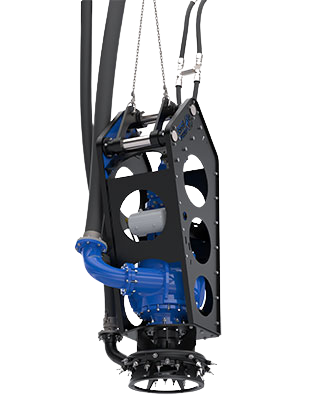
Maximizing the performance of a hydraulic slurry pump is no longer just a matter of equipment maintenance; it has become a strategic differentiator for companies operating in high-demand sectors such as mining, oil and gas, dredging, and municipal infrastructure. The principles of optimization, speed control, efficiency enhancement, flow management, and precise pressure regulation, together form the foundation of reliable and cost-effective pumping operations. Each element contributes to higher productivity, reduced downtime, and improved lifecycle value across industrial applications.
Pump optimization is becoming increasingly popular among procurement and operations managers as a means of achieving demonstrable ROI. A well-tuned hydraulic slurry pump uses less energy, produces a more consistent flow, and experiences significantly less mechanical wear. Over time, these benefits lead to cheaper maintenance costs, longer component life, and improved safety performance. For firms that manage continuous or remote operations, these benefits immediately increase budget predictability and decrease the risk of unplanned shutdowns.
Whether operating a hydraulic submersible slurry pump for submerged sediment removal or a dredge slurry pump hydraulic system for large-scale material transport, precision optimization ensures that every kilowatt of hydraulic power is converted into productive work. It’s not just about meeting performance benchmarks; it’s about building systems that sustain high output while adapting to changing load and environmental conditions. This balance of durability and control is what separates average systems from truly high-performing ones.
At Pump and Dredge Source, the focus goes beyond supplying robust pumping equipment; it’s about delivering engineered solutions that align hydraulic power, system design, and real-world application demands. The company’s deep technical expertise and proven methodologies empower clients to extract maximum value from every hydraulic slurry pump installation. Contact Pump and Dredge Source today for expert support in designing, configuring, and optimizing your next hydraulic slurry pump system. From performance analysis to end-to-end engineering, our specialists help you achieve higher reliability, lower operating costs, and a long-term return on investment, ensuring your hydraulic submersible slurry pump and dredge slurry pump hydraulic systems perform at their best under all conditions.